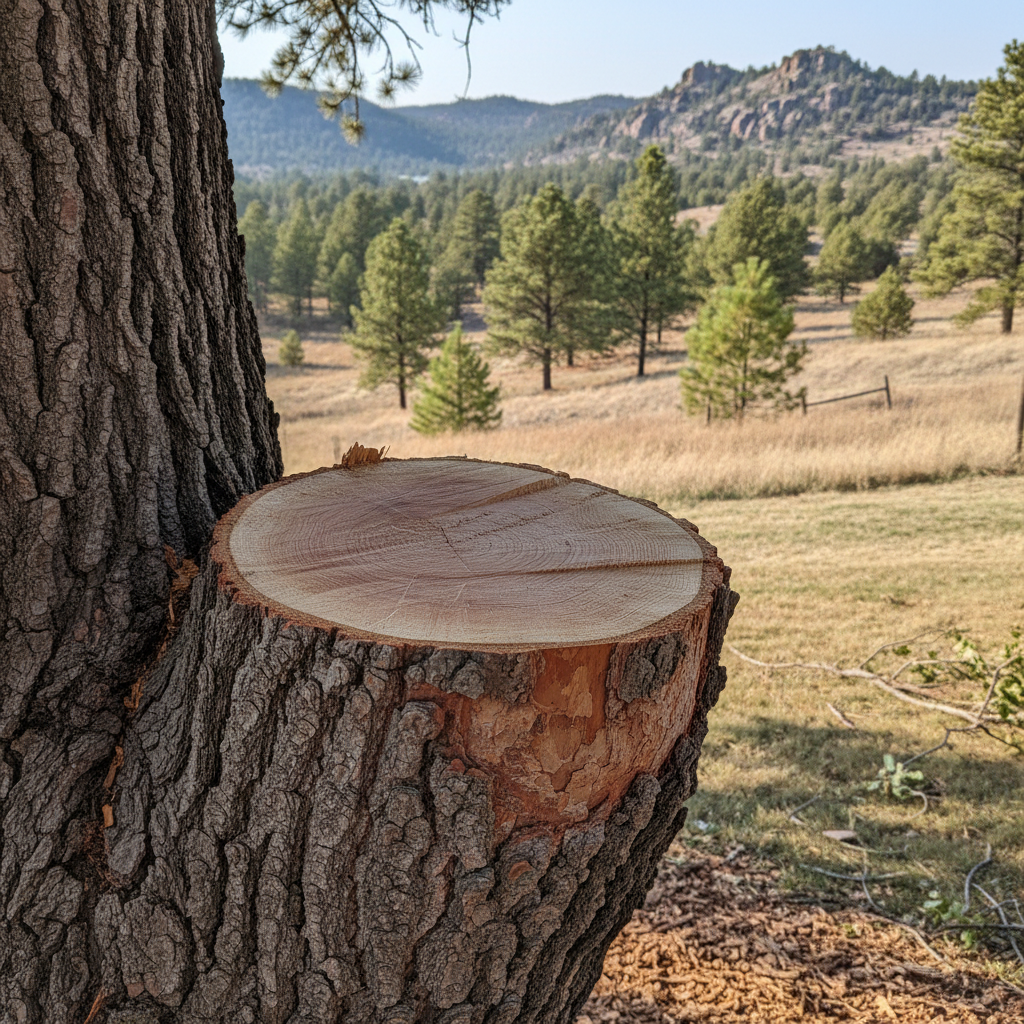
Alright, let's talk about trimming your trees. I see a lot of folks around Hot Springs who want to do their own tree work, and I get it. It feels good to get out there and take care of your property, doesn't it? But there's a right way and a wrong way to go about it. Sometimes, trying it yourself is just plain dangerous. So, let's break down what you can realistically tackle and when you absolutely need to step back and call a professional.
Before You Even Think About Cutting
First things first, you need to know what you're dealing with. Not all trees are created equal, and not all cuts are good cuts. Here's what I always tell people to consider:
- Identify Your Tree: Do you know what kind of tree it is? Different species respond differently to pruning. Some, like a lot of the pines we have around here in Hot Springs, don't like heavy pruning at all. Others, like oaks, can handle more, but you need to trim them at specific times of the year to avoid diseases like oak wilt.
- Assess the Tree's Health: Is the tree healthy? Are there any signs of disease or pests? Trimming a stressed tree can actually make things worse. If you see a lot of dead branches, discolored leaves, or strange growths, that's a red flag.
- Look for Power Lines: This is a big one, folks. If any part of the tree is near power lines, even a small branch, you do NOT touch it. Call Black Hills Energy or a professional tree service like New Look Tree. Seriously, electricity is no joke.
- Consider the Size and Location: How big are the branches you want to cut? Are they over your house, your neighbor's fence, or a busy walkway? If you need a ladder taller than a step stool, or if the branch is thicker than your wrist, you're probably getting into pro territory.
What You Can (Probably) Trim Yourself
For the average homeowner, DIY trimming should really be limited to small, accessible branches. We're talking about:
- Dead or Diseased Twigs and Small Branches: If you can reach it safely from the ground with a hand pruner or a pole pruner, and it's clearly dead (snaps easily, no green inside), go for it. This helps improve the tree's health and appearance.
- Suckers and Water Sprouts: These are those fast-growing shoots that pop up from the base of the tree (suckers) or along branches (water sprouts). They don't contribute much to the tree's structure and you can easily remove them.
- Low-Hanging Branches for Clearance: If a branch is just barely scraping your head when you walk by, and it's small enough to cut safely without a ladder, you can trim it back a bit.
Always use sharp, clean tools. Dull tools tear the wood, which makes it harder for the tree to heal. Make your cuts cleanly, just outside the branch collar (that slightly swollen area where the branch meets the trunk or a larger branch). Don't leave stubs, and don't cut flush with the trunk.
When It's Time to Call a Pro (Like Us at New Look Tree)
This is where I see people get into trouble. There are just some jobs that aren't worth the risk, or that require specialized knowledge and equipment. You need a professional if:
- The Branch is Large or Heavy: Anything over a couple of inches in diameter, especially if it's long or high up, can be incredibly dangerous. It can swing, fall unpredictably, or cause serious injury or property damage.
- You Need to Use a Ladder: If you're going to be up on a ladder with a chainsaw or a pole saw, you're asking for trouble. It's unstable, and one slip can be catastrophic. We've got the right equipment – lifts, climbing gear – to do it safely.
- The Tree is Near Power Lines or Structures: Again, don't mess with power lines. And if a branch is over your roof, a shed, or your neighbor's car, the risk of damage is just too high for a DIY job.
- You're Not Sure What You're Doing: If you're hesitant or unsure about where to cut, stop. Improper pruning can permanently damage or even kill a tree. It can also create weak points that lead to future hazards.
- The Tree is Very Tall or Requires Complex Pruning: Large shade trees, especially those old cottonwoods we see around the Fall River, often need structural pruning to maintain their health and safety. This isn't just about hacking off branches; it's about understanding the tree's growth habits and making strategic cuts.
After the Trimming Is Done
Once the cuts are made, whether by you or a pro, keep an eye on the tree. You want to see the cuts start to 'callus' over, forming a protective ring of tissue. This shows the tree is healing properly. Make sure the tree gets enough water, especially during dry spells, to help with recovery. Don't apply wound dressings or paint to the cuts; studies have shown these can actually hinder the healing process and trap moisture, encouraging rot.
Trimming your trees can be a rewarding part of home ownership, but knowing your limits is key. Stay safe, protect your property, and if in doubt, give us a call. We're here to help you keep your Hot Springs trees healthy and beautiful.