Why are my tree's leaves turning yellow or brown early?
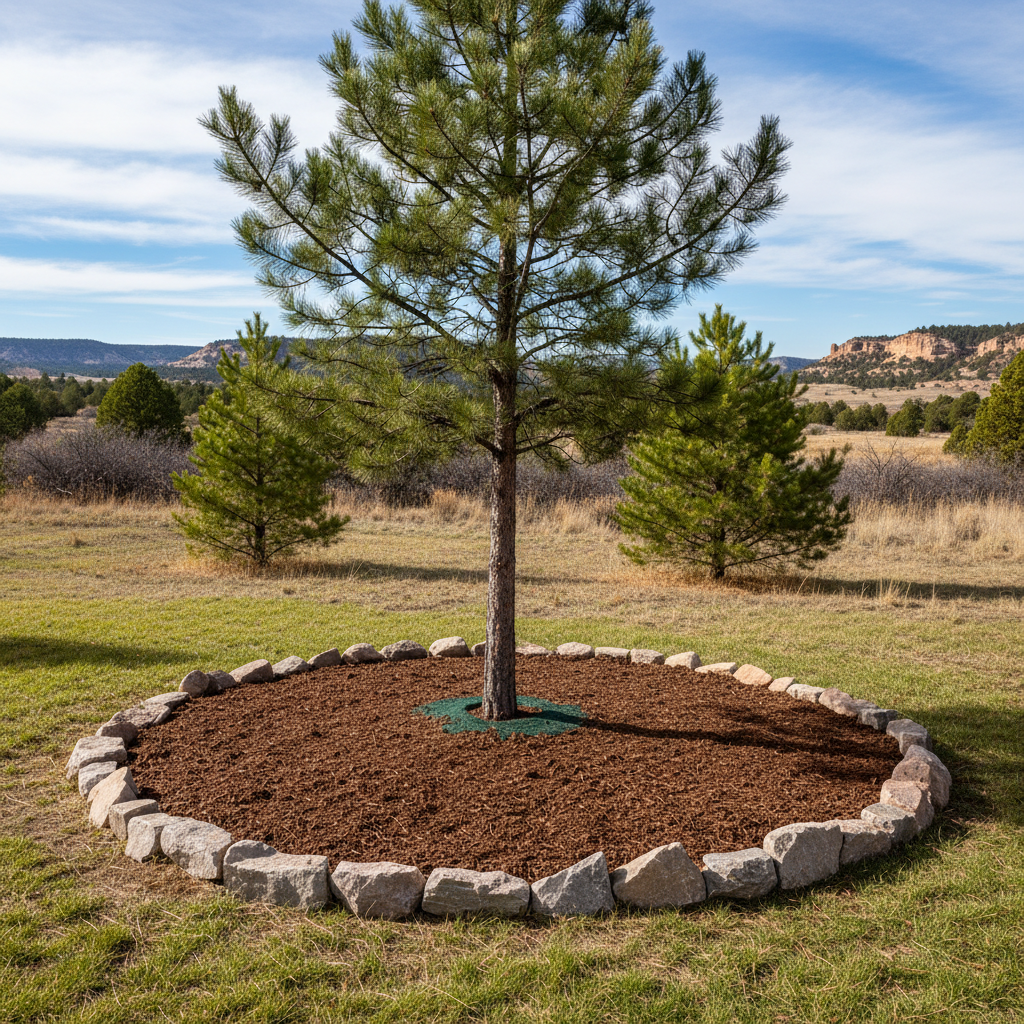
Honestly, this is one of the most common calls I get. It happens a lot, especially in late summer or after things have been pretty dry. A few different things can make leaves change color too soon. Around here, the biggest culprit is usually just not enough water. We definitely get some dry summers in the Black Hills, and if your trees aren't getting enough to drink, they'll show it – either by dropping leaves or having them turn all crispy. Think about those beautiful Ponderosa Pines up on the hillsides; they're tough, sure, but even they struggle when droughts drag on.
Another big one? Nutrient deficiency. Our soil in Hot Springs, especially in some of those older neighborhoods with a lot of clay, sometimes just doesn't have enough of certain micronutrients. Iron deficiency, for instance, often shows up as yellow leaves with green veins, particularly on pin oaks or maples. Pests and diseases can play a role too, but generally, they'll come with other clear signs like spots, holes, or webbing. If you're seeing early discoloration, though, the first thing I'd suggest is checking your watering routine.
How much should I be watering my trees, especially new ones?
This is super important, and it's where a lot of folks mess up. Established, mature trees usually need less extra watering once their roots are deep, but even they can really benefit from a good soak during long dry spells – especially evergreens heading into winter. For newly planted trees, though? They need consistent, deep watering for at least their first two or three years, no kidding.
You want to water slowly and deeply, letting the water really sink into the soil, down to where the root ball is. A good rule of thumb is about 10 gallons of water for every inch of the trunk's diameter, applied once or twice a week, depending on the weather. Don't just sprinkle the surface; that only encourages shallow roots. Instead, use a soaker hose or just let a regular hose trickle slowly for a few hours. Check the soil moisture with your finger or a trowel – it should feel moist, not squishy, a few inches down. Overwatering can actually be just as bad as not watering enough, leading to root rot. It's a balancing act, really, and it changes with the seasons and the specific tree.
When is the best time to prune my trees?
Generally speaking, the dormant season – that's late fall to early spring – is the sweet spot for most deciduous trees. When the leaves are gone, you can clearly see the tree's structure, easily spot dead or diseased branches, and make clean cuts without messing with active growth. Pruning while the tree is dormant also puts less stress on it and lowers the chance of diseases getting in.
But hey, there are exceptions. Flowering trees like crabapples or lilacs, for example, are often best pruned right after they finish blooming. If you prune them in winter, you'll just cut off next year's flowers, and who wants that? Dead or hazardous branches, on the other hand, can and definitely should be removed any time of year for safety. For evergreens, a light shaping can be done in early summer after new growth has firmed up. It really just depends on the kind of tree and what you're trying to achieve with the pruning. If you're not sure, it's always smarter to ask a professional like us at New Look Tree before you start cutting.
What are those weird growths or mushrooms on my tree?
Those growths, often called conks or shelf fungi, usually signal decay happening inside the tree. The mushroom part you see is just the fruiting body of a fungus that's been busy working away inside the tree, breaking down the wood. It's kind of like seeing the tip of an iceberg; there's usually a lot more going on internally than what's visible on the surface.
While some fungi are harmless decomposers of dead wood, others are pathogenic and can cause serious structural weakness. If you spot them on the trunk or big branches, especially near the base, that's a serious red flag. It means the tree's integrity might be compromised, making it a potential hazard, particularly during our strong winds here. It's definitely something you want an arborist to check out to figure out how bad the decay is and if the tree is still safe.
Should I fertilize my trees, and if so, how?
Not every tree needs fertilizer, and sometimes, fertilizing the wrong way can actually do more harm than good. A healthy tree in good soil might not need any extra nutrients at all. However, if your tree is showing signs of nutrient deficiency (like those yellowing leaves we talked about), or if it's struggling to get established after planting, then fertilization can certainly help.
The best way to figure out what your tree needs is to get a soil test. This will tell you exactly what nutrients are missing from your specific soil. Without a test, you're just guessing, and you could end up putting too much of certain elements, which can burn roots or create other imbalances. If you do fertilize, use a slow-release granular fertilizer or a deep-root injection method. Spread granular fertilizer evenly under the tree's canopy, making sure to avoid direct contact with the trunk, and then water it in well. Deep-root fertilization, which is what we often do, gets the nutrients right to the root zone where they're most effective, especially for larger, established trees.
How can I protect my trees from winter damage?
Winter in Hot Springs can be pretty brutal on trees, what with all the heavy snow, ice, and strong winds. Luckily, there are a few things you can do. First, make sure your trees are well-watered before winter hits, especially evergreens. Dry soil can lead to winter desiccation, where the tree loses moisture through its needles faster than it can replace it from frozen ground.
For younger trees or those prone to sunscald (like maples with their thin bark), think about wrapping their trunks with burlap or tree wrap for the first few winters. This protects against those big temperature swings that can cause bark to split. You can also use burlap to create a windbreak for small evergreens. Prune out any dead or weak branches before winter; these are much more likely to snap under heavy snow and ice. And if you get a lot of snow, gently brush it off branches with a broom, but please, don't try to chip off ice – that usually causes more damage than good. A little proactive care goes a long way in keeping your trees healthy through our tough winters.